Healing the Healers
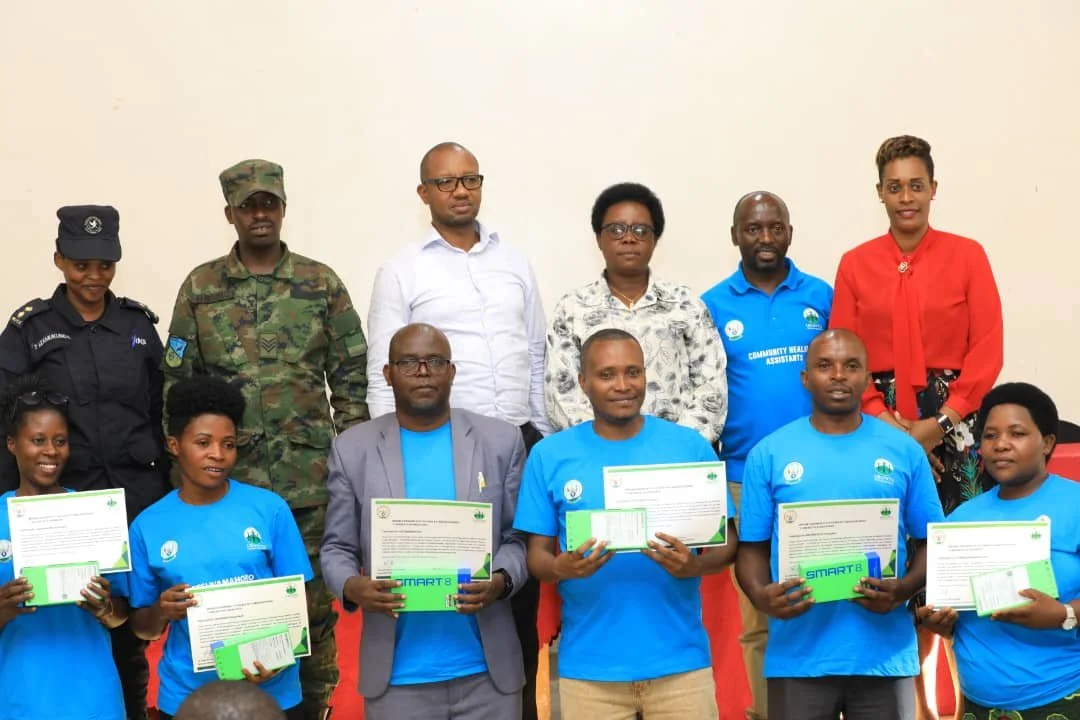
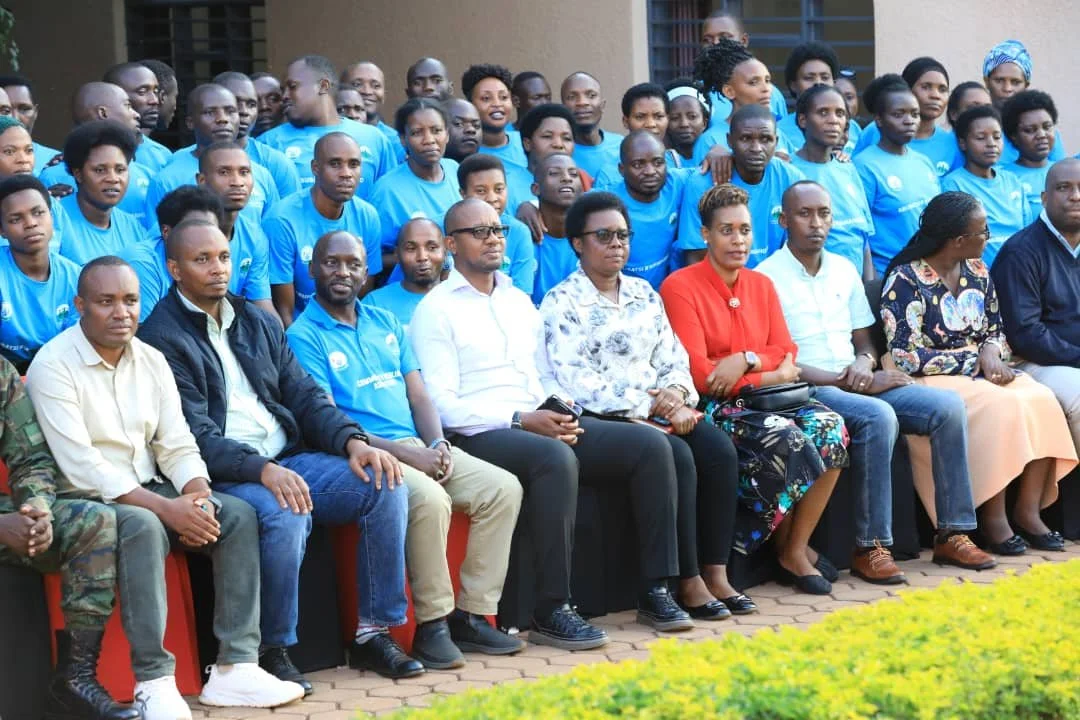
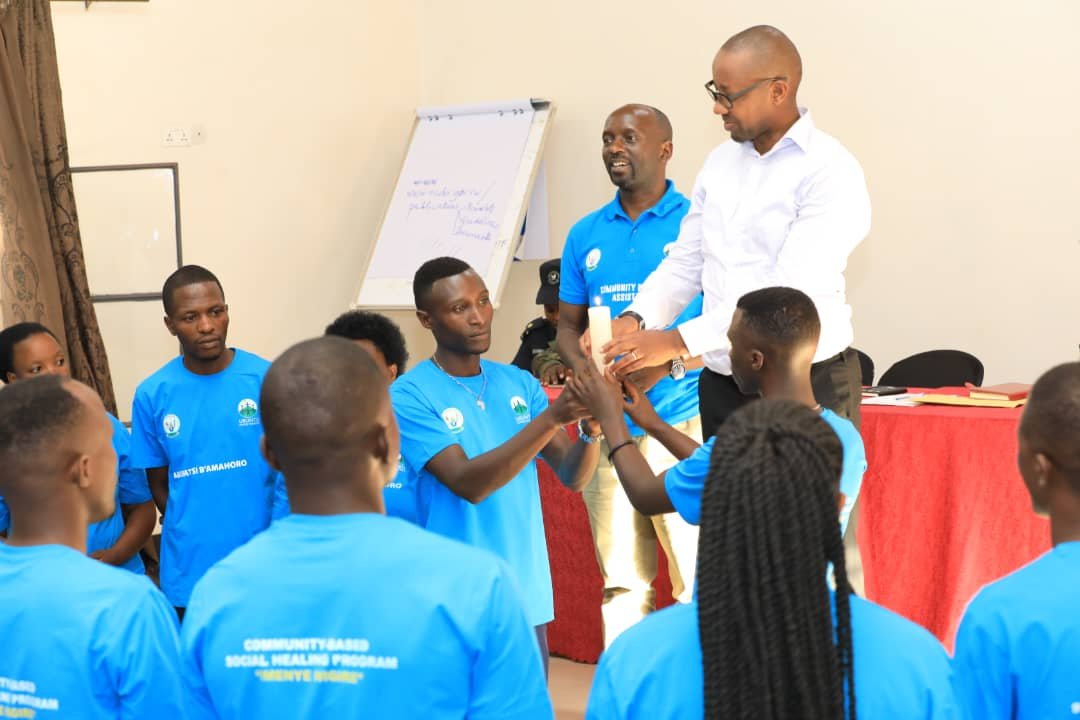
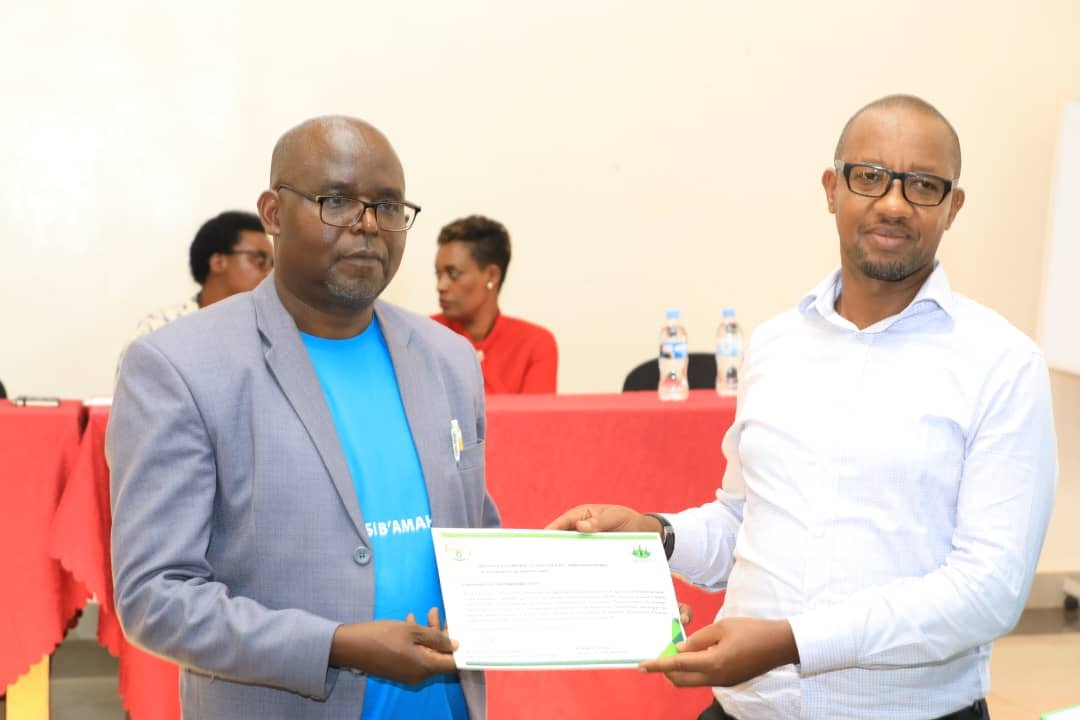
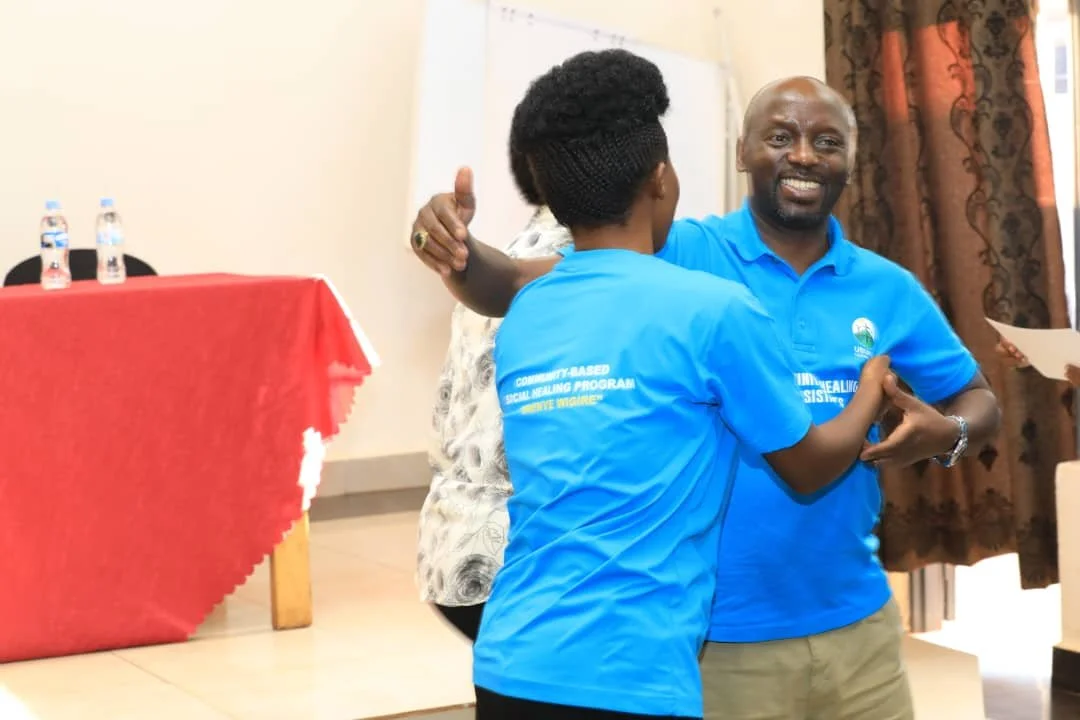
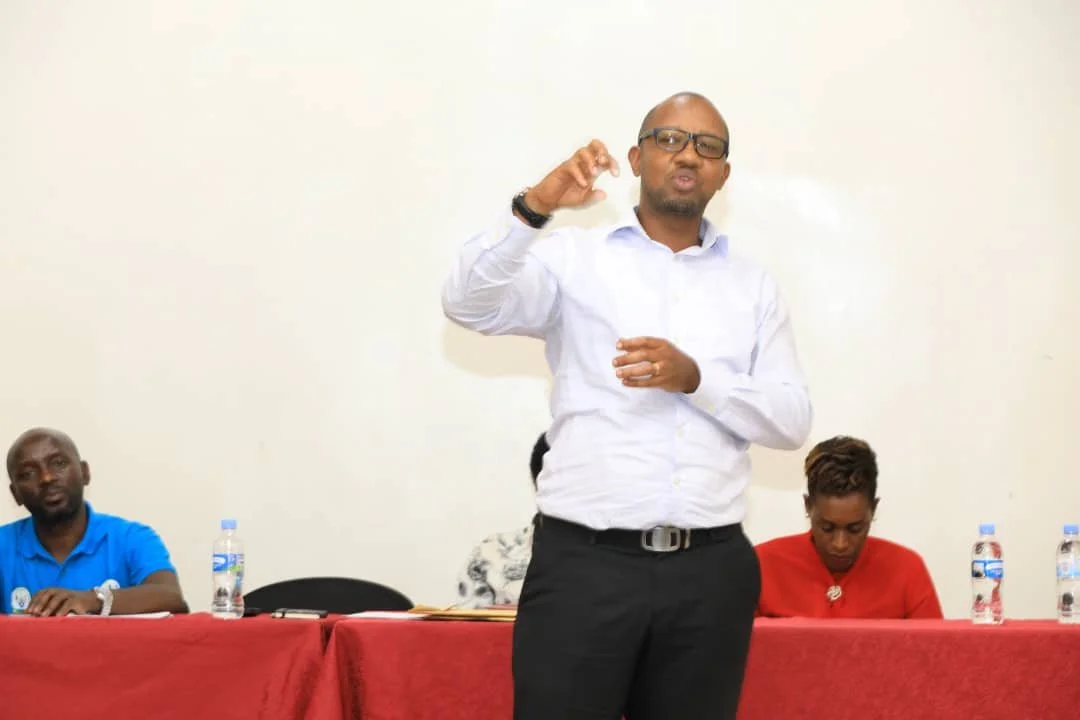
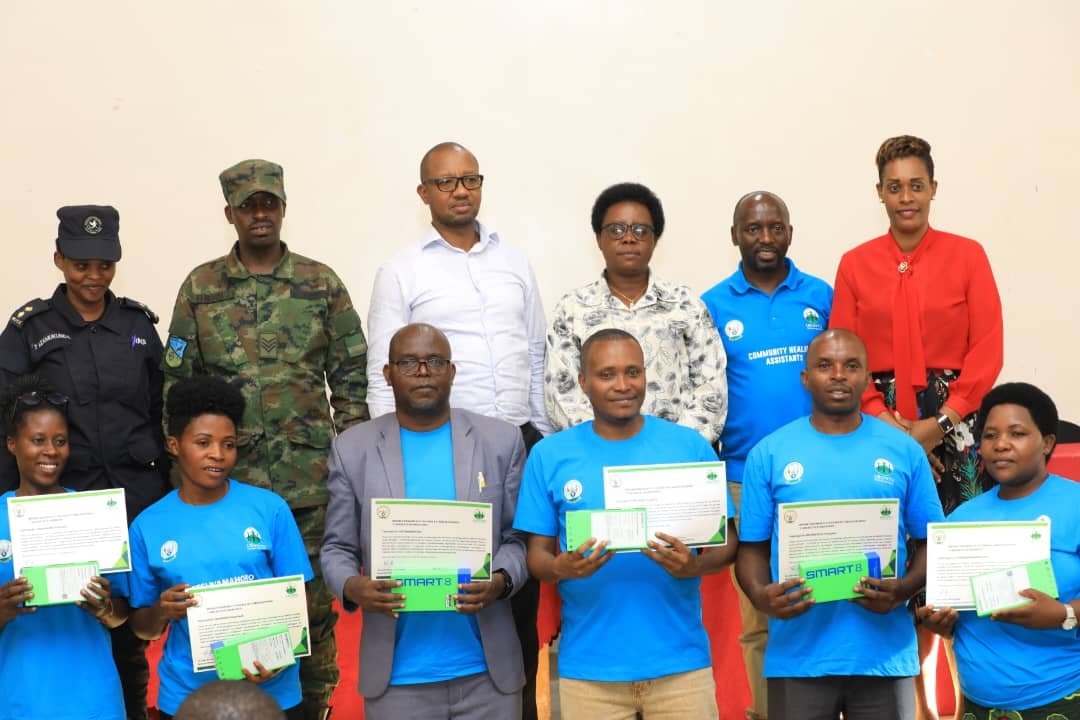
Our Community Healing Assistants (CHAs) complete an intensive three-week residential training designed not only to build competencies, but to facilitate their own healing journey. The curriculum integrates breath–body–mind (BBM) regulation techniques; developmental and collective trauma; emotional anatomy; the body–mind connection; and foundational understanding of common mental health conditions, including depression, PTSD, anxiety, psychosomatic symptoms, domestic violence, and trauma-related distress.
Participants are equipped with practical tools such as the JOHARI Window for self-awareness, the Tree of Life methodology for narrative healing, group facilitation skills, trust-building, and safe space creation. They learn how to recruit participants, transition healing circles into sustainable self-help groups, develop basic social entrepreneurship skills, and collect program data using smartphones.
This integrated approach ensures both personal transformation and professional readiness. By prioritizing the healing of the healers, we cultivate a grounded, resilient, and accountable community-based workforce capable of sustaining long-term impact.
Today, these facilitators are leading healing circles within their own communities—expanding access to culturally responsive mental health support at the grassroots level and reaching individuals who would otherwise never access formal services.
Voices of Transformation
One participant reflected:
“I used to ‘buy sleep.’ I drank every night just get some rest. On the second day of training, I slept well without alcohol. I could not believe it. Days passed, and I continued sleeping naturally. I even returned the money I had brought for drinking to my wife. I calculated that I will save about $500 this year to invest in my family, all of which would have been wasted on drinking. Before the training, feared speaking in public. Now I speak confidently. I am ready to lead my community toward healing.”
— Theophile, 35
Another participant shared:
“I grew up in poverty and carried deep shame. I couldn’t speak to people, even when I knew the answers in school, I stayed silent. I suffered severe back pain and felt disconnected. During training, I continued practicing breath–body–mind techniques. Today, I feel grounded. My back pain is gone. I can speak in public. I feel confident. I am shining, and I am ready to help other young people heal.”
— Fatima, 23
A Rwandan proverb shared by another CHA captures the spirit of the work:
“Agahinda gasangiwe karatuba — shared sorrow becomes lighter.”
Christine, another facilitator, explains:
“Many families carry trauma without recognizing it. We share similar wounds but lack pathways to healing. My goal is to help my neighbors first recognize their pain, and then walk with them as they heal.”
By healing the healers first, we are not only expanding access to care—we are strengthening social fabric. Each trained facilitator becomes a multiplier of resilience, dignity, and hope.
Healing spreads outward:
circle by circle,
family by family,
community by community.