From Community Innovation to National Systems
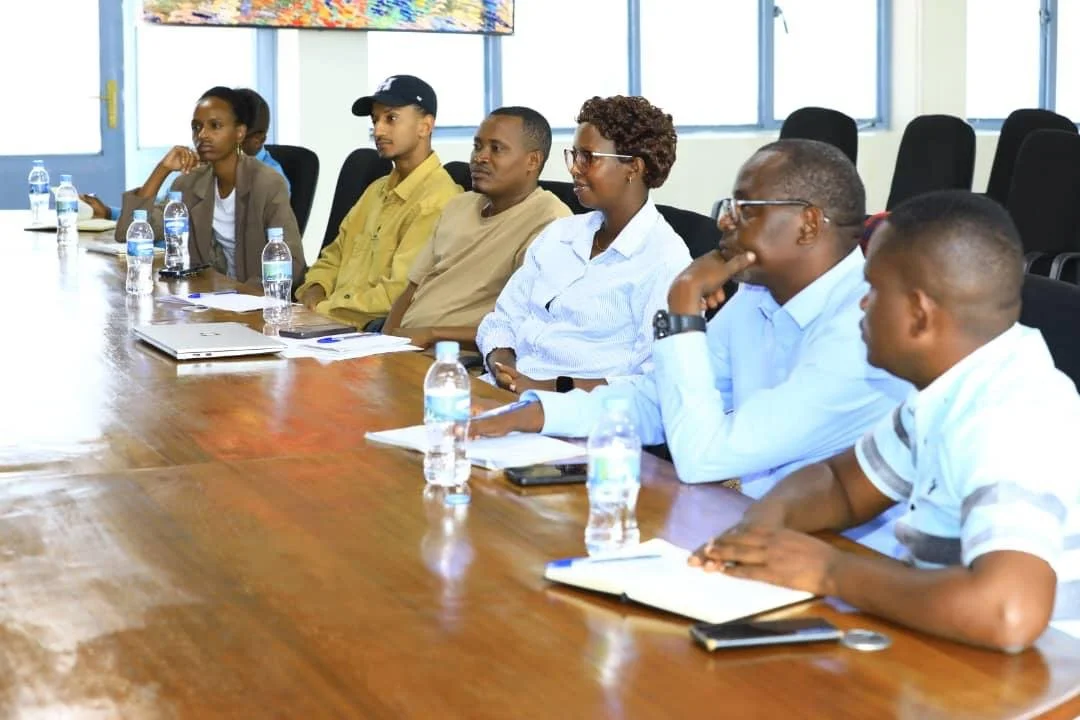
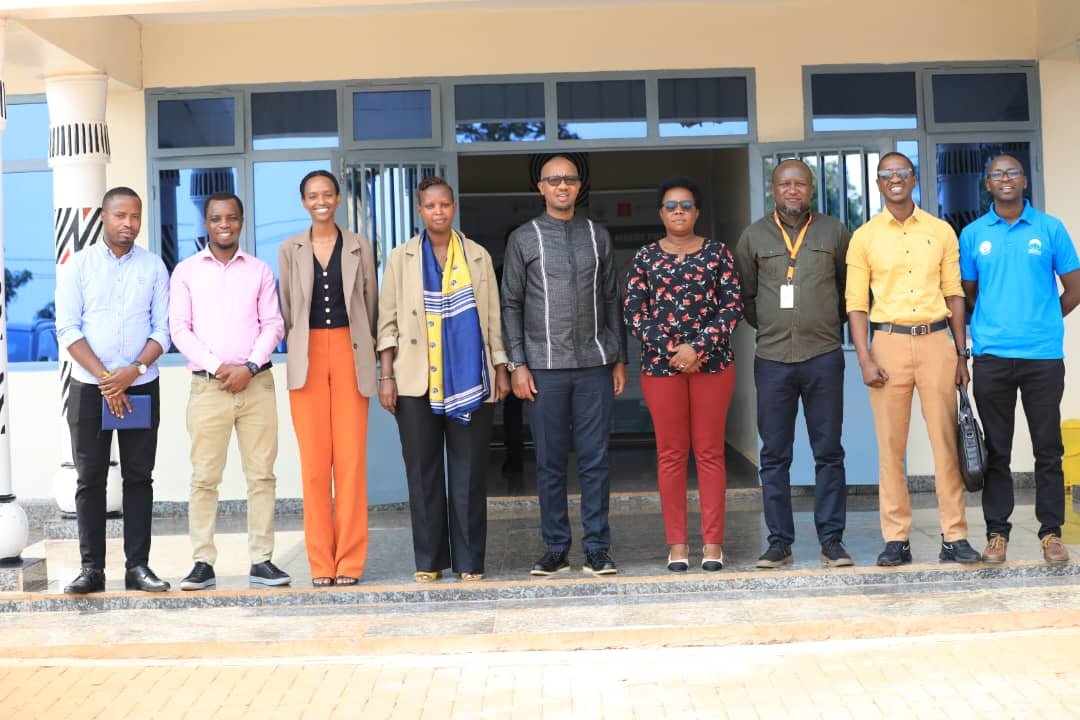
The pilot integration of our Community-Based Social Healing (CBSH) model into Rwanda’s primary health care system has officially begun at Mpanga and Mahama Health Centers in Kirehe District.
This milestone marks the transition from community innovation to systems integration.
The pilot is designed to establish a functional two-way referral pathway between Community Healing Assistants (CHAs) and primary healthcare facilities. CHAs are trained to identify participants who require more specialized, individualized care and refer them to health center–based psychologists. In turn, clinicians counter-refer stabilized clients back to CHAs for long-term follow-up within community healing circles and support groups. This collaborative model strengthens continuity of care while reducing pressure on overstretched clinical services.
Beyond referral systems, the pilot is generating critical implementation knowledge, including:
How primary care psychologists can effectively train, supervise, and support CHAs on an ongoing basis
The operational and cost implications of integrating community-based mental health into primary care
Quality assurance mechanisms needed for safe and effective task-sharing
To initiate this process, we trained two psychologists from Mpanga and Mahama Health Centers in the CBSH approach. They are now working closely with CHAs to strengthen coordinated, community-level responses to trauma and mental health challenges.
By linking professional clinical services with trusted community facilitators, this pilot builds a structured bridge between formal healthcare and culturally grounded healing pathways.
Scaling Within National Priorities
In alignment with Rwanda’s National Strategy for Transformation (NST2) and national mental health decentralization priorities, we are in active discussions with Kirehe District authorities to scale this integrated model district-wide.
The proposed district model includes:
Training 1,224 Community Healing Assistants (two per village)
Training and integrating psychologists across all 18 primary healthcare facilities
Establishing standardized referral and supervision systems
Reaching approximately 100,000 trauma-affected individuals by 2029
This district-wide implementation will serve as a learning laboratory for national replication—generating the data, cost projections, supervision frameworks, and policy insights necessary for nationwide scale-up.
Embedding trauma-informed, Ubuntu-driven community healing within Rwanda’s existing primary healthcare system is not a parallel initiative. It is a systems-strengthening strategy designed to expand access, improve efficiency, and sustain long-term impact.
This pilot is the first step toward institutionalizing community-based trauma healing as a permanent component of Rwanda’s public health infrastructure.