Healing that is Growing
In Rwanda, the prevalence of mental health conditions exceeds 20% in the general population. With a population of approximately 13 million, this translates to over 2.5 million individuals experiencing mental health challenges. Yet only around 5% of those in need access services within the conventional facility-based, individualized, and medicalized healthcare system. Barriers are significant and multifaceted: stigma, high costs, long distances to service points, a shortage of professionals with relevant skills, and discomfort with existing therapeutic modalities all limit access.
Importantly, the magnitude of trauma and mental health needs in Rwanda extends far beyond what is captured by Western measurement tools. The entire society continues to live with the legacy of historical trauma, including collective, intergenerational, and cultural trauma dimensions often invisible in prevalence statistics. No conventional system could ever reach all individuals affected. Trauma is inherently collective, and as such, it requires collective approaches to address it effectively.
An evidence-based, community-centered mental health system integrated into existing healthcare infrastructure is therefore essential. Our experience and research indicate that Community Healing Assistants (CHAs), laypeople rooted in their communities, who are trained, supervised, and well-supported, are a highly effective solution. This model is evidence-backed, scalable, and sustainable.
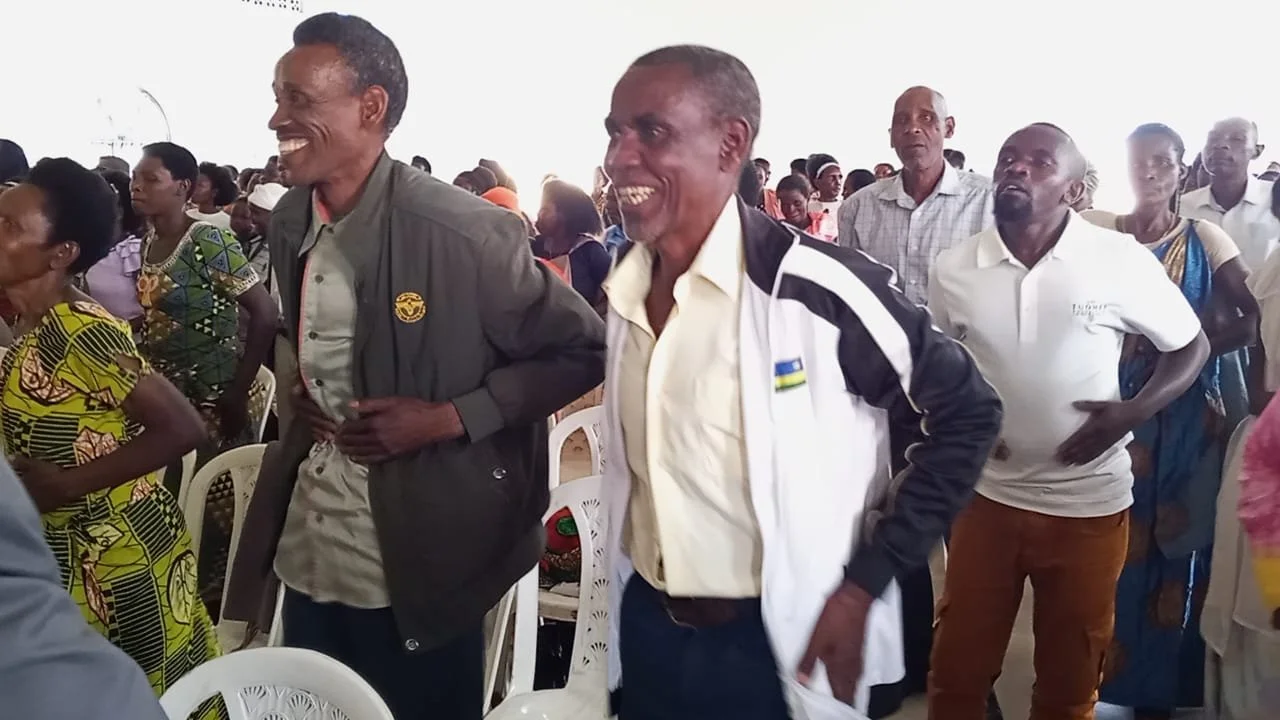
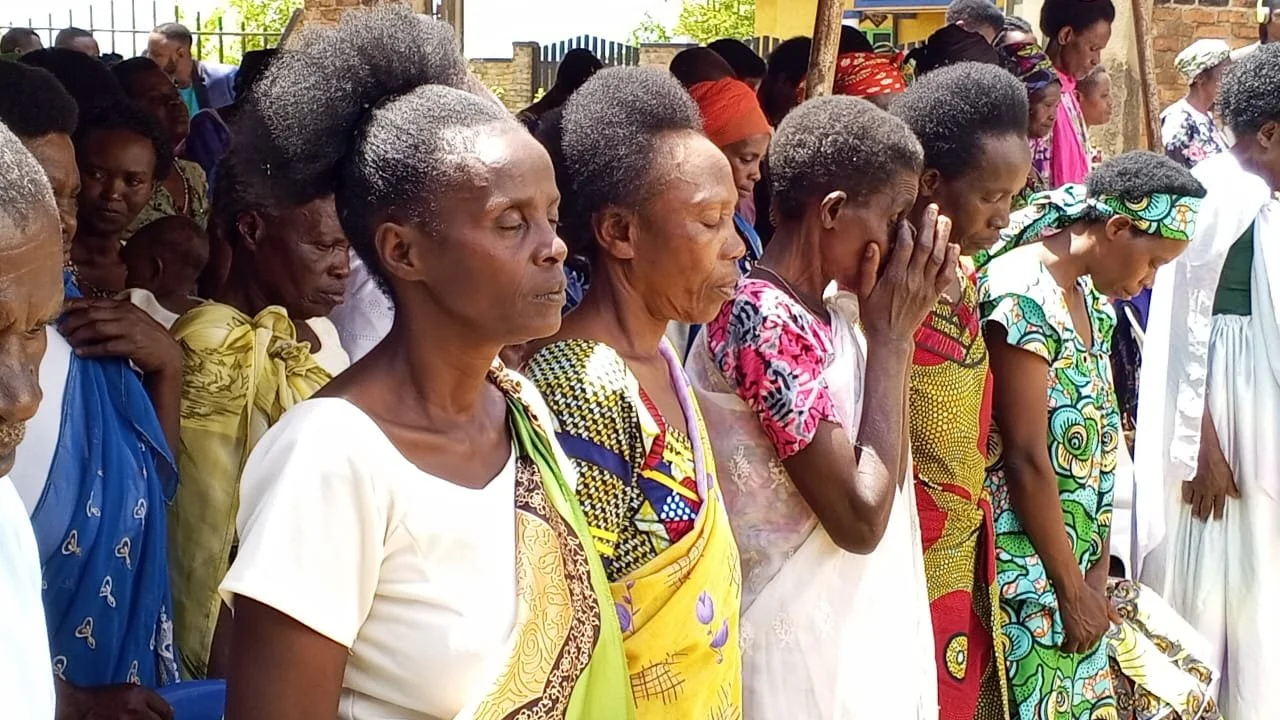
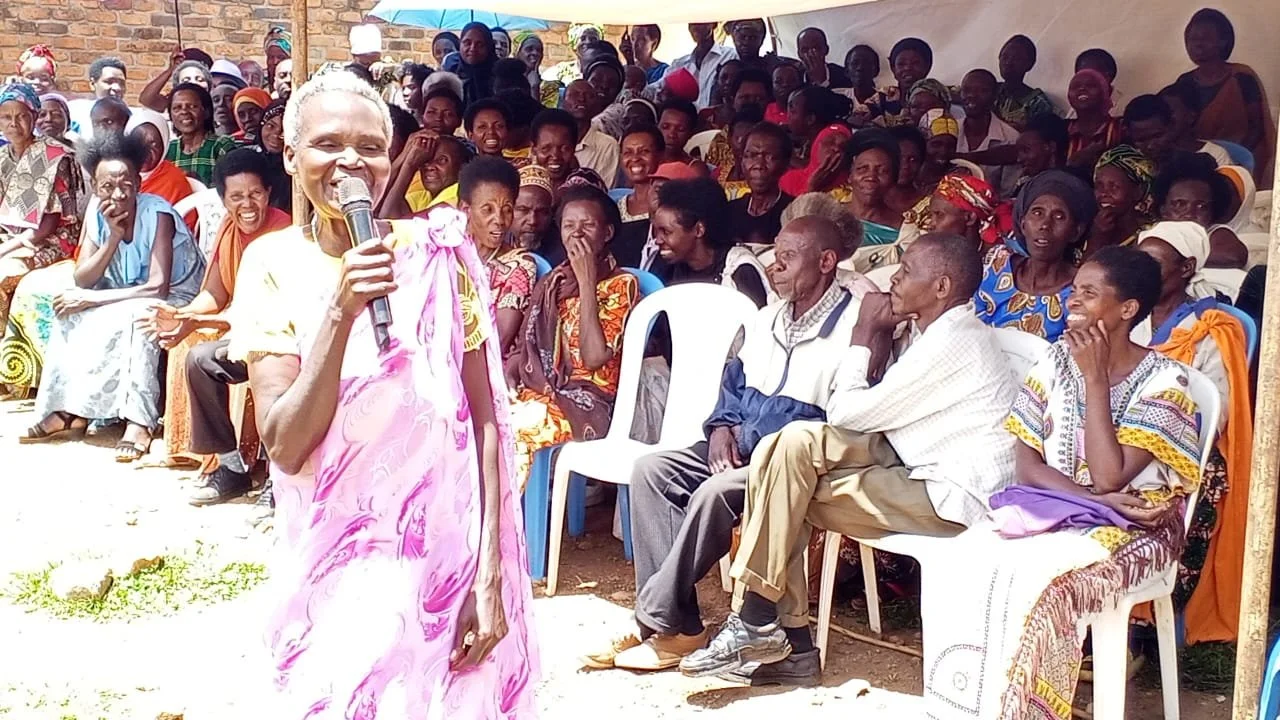
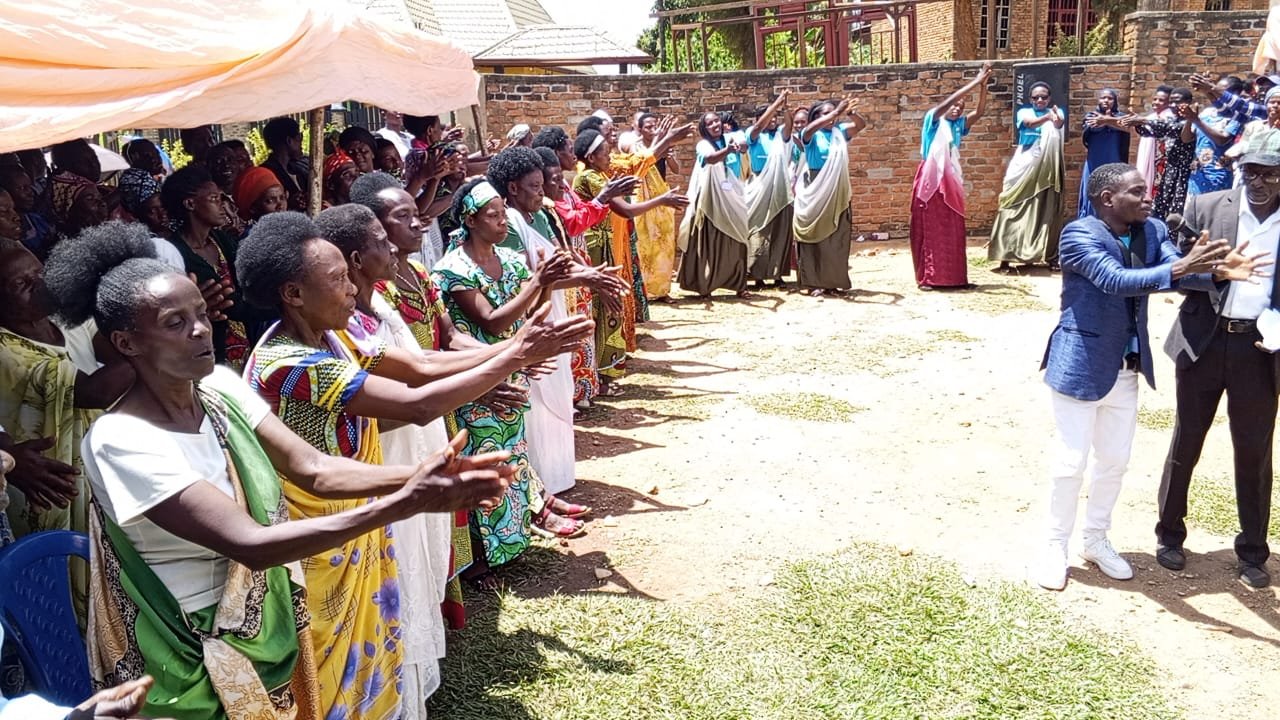
To date, we have cumulatively trained and supervised 678 CHAs and 152 School Healing Facilitators, reaching thousands of community members, and we aim to expand this reach to 36,700 individuals this year, 2026, in three districts, including Kamonyi, Kirehe, and Gasabo. Our strategy for national scale focuses on systems change, government adoption, integration into health policies, and sustainable program implementation. Central to this strategy is healing the healers first, ensuring that CHAs, the facilitators of community healing, are themselves supported, nurtured, and empowered to lead the transformation within their communities.